OUR RESEARCH IN THE NEWS

Charcot Lecture by Ludwig Kappos at the ECTRIMS Congress 2025 in Barcelona

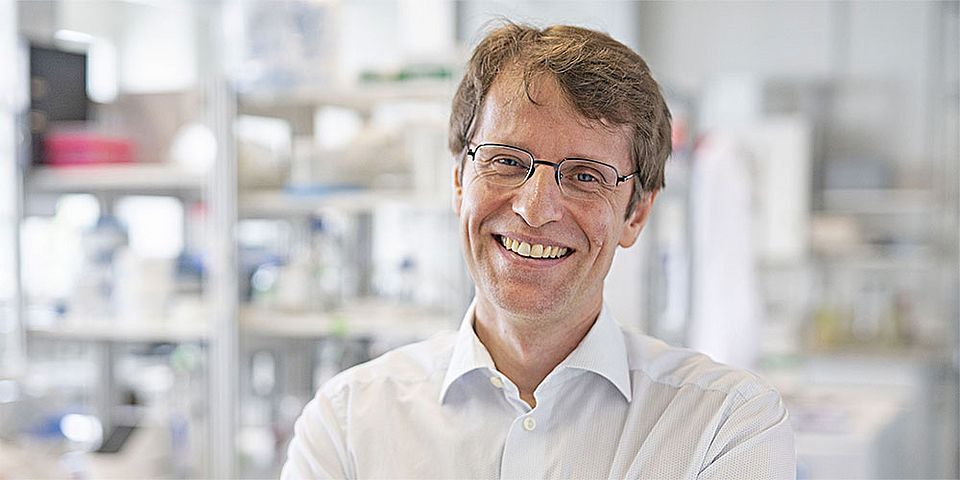
Prof. Ludwig Kappos receives the Charcot Award 2025

The Multiple Sclerosis International Federation (MSIF) has awarded Prof. Ludwig Kappos with the prestigious Charcot Award 2025 - the highest international honor for a lifetime of outstanding achievement in multiple sclerosis (MS) research.

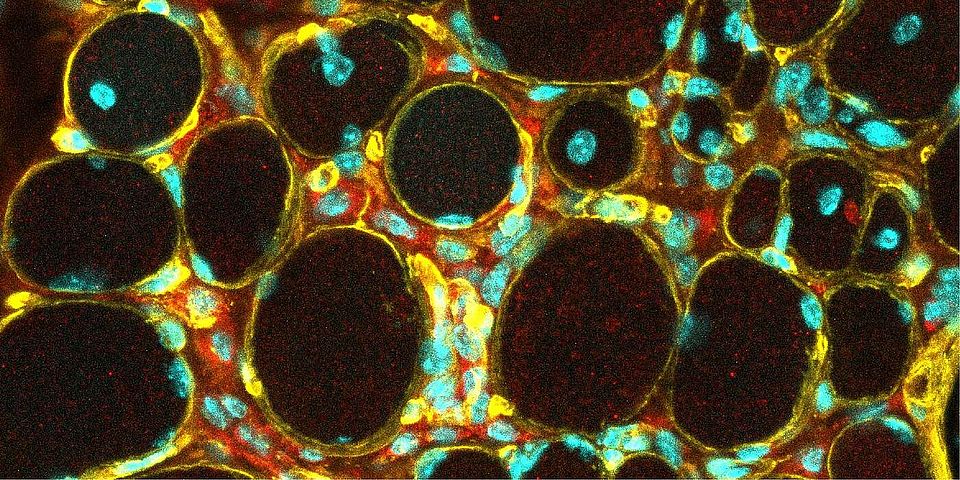
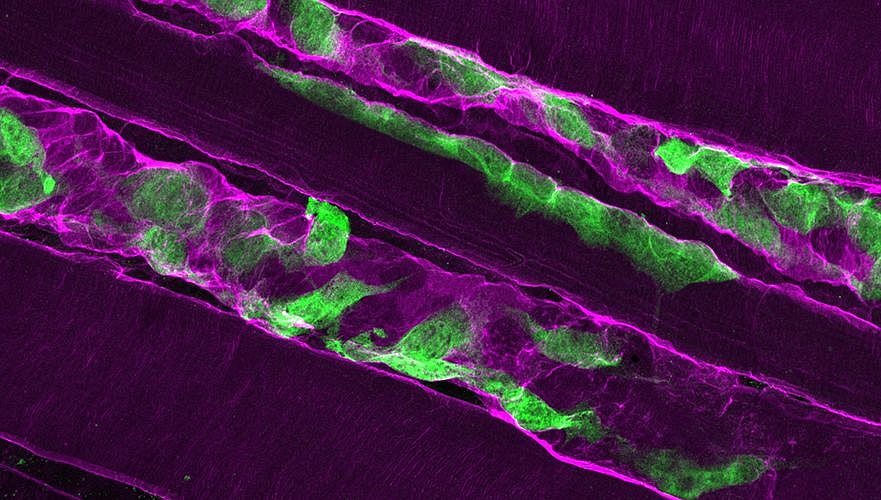
After a muscle injury, muscle stem cells (green) secrete laminin-α2 (magenta) into their surroundings to support their proliferation.

Congenital muscle weakness: Muscles fail to regenerate

For more than two decades, Prof. Markus Rüegg from the Biozentrum at the University of Basel has been investigating a severe form of muscular dystrophy in which muscles progressively degenerate. His team has now discovered that the muscles’…

Understanding schizophrenia by bridging mouse and human brain circuits

Understanding schizophrenia by bridging mouse and human brain circuits

FMI group leader Prof. Georg Keller and Prof. Philip Sterzer from Universitären Psychiatrischen Kliniken (UPK) Basel have jointly been awarded a Schweizerischer Nationalfonds (SNF) grant over 1.5 million CHF to investigate the brain circuit…

Picture © IOB

Infrared light for blind retina: Engineered human channels open a new path

Restoring vision in retinal degeneration is a major biomedical challenge. In this study, IOB scientists engineered an ultrasensitive variant of the human TRPV1 channel, delivered by an AAV vector, that responds to near-infrared…

Patterns in transcription factor binding help predict whether undifferentiated cells

Decoding how cells choose to become muscles or neurons

FMI researchers have uncovered new clues about how cells decide what type of cell to become — whether muscle, neurons, or something else entirely. By studying proteins called transcription factors, they identified patterns that predict…

© IOB, 2025

The eye’s secret clockwork

Perception depends not only on what we see, but also on when we see it. Signals initiated by light-sensitive cells in the retina travel through nerve fibers of varying lengths before converging at the optic nerve and continuing to the…

QR

Invitation to participate in a Survey: Exploring a Swiss EBRAINS National Node: Deadline: 31 August 2025

The EBRAINS Swiss National Node Task Force group invites you to take part in a short national survey and give your input on an important initiative concerning the future of neuroscience research as part of a wide-ranging and consolidated…

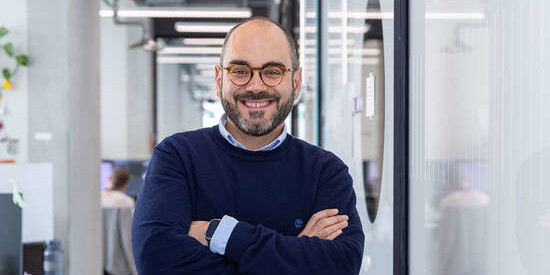
Professor Ludwig Kappos

Professor Ludwig Kappos wins the prestigious MS Charcot Award

Professor Ludwig Kappos, Director of Research Center for Clinical Neuroimmunology and Neuroscience Basel (RC2NB), has been awarded the 2025 Charcot Award by the MS International Federation (MSIF)! This prestigious lifetime achievement award…

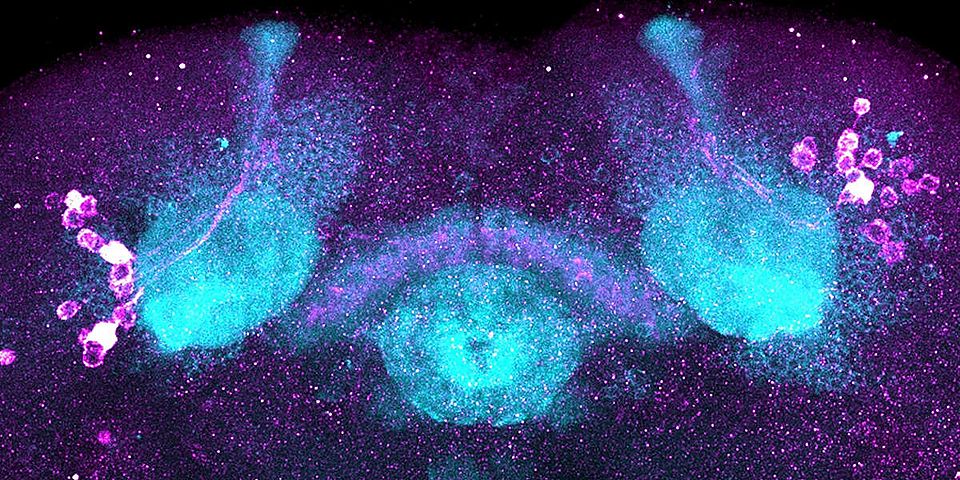
Researchers uncovered how the brain balances excitatory and inhibitory neurons to organize and process memories.

How brain networks balance learning and memory

FMI researchers have provided new insights into how the brain organizes and processes memories, thanks to a study that looks at the balance between excitatory and inhibitory neurons. Memory networks have been thought to rely on stable…

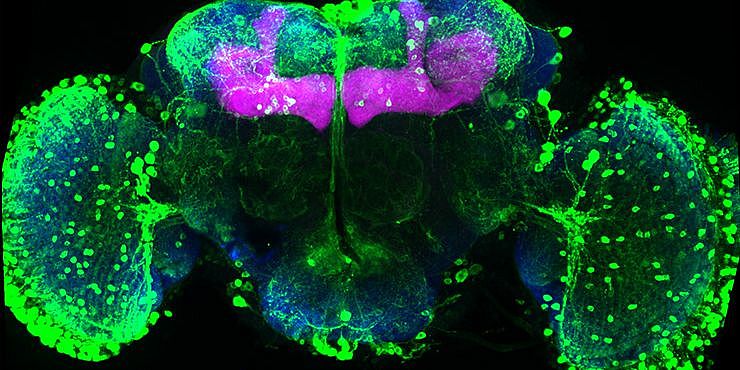
SNr neurons in the midbrain send precise signals to control movement. Their activity determines which movements actions are initiated or inhibited. (Image: Biozentrum, University of Basel)

A switchboard with precision: How the brain licenses movements

Neurons deep in the brain not only help to initiate movement—they also actively suppress it, and with astonishing precision. This is the conclusion of a new study by researchers at the University of Basel and the Friedrich Miescher…

To top