
Incurable muscle disease: First successes in the development of a gene therapy
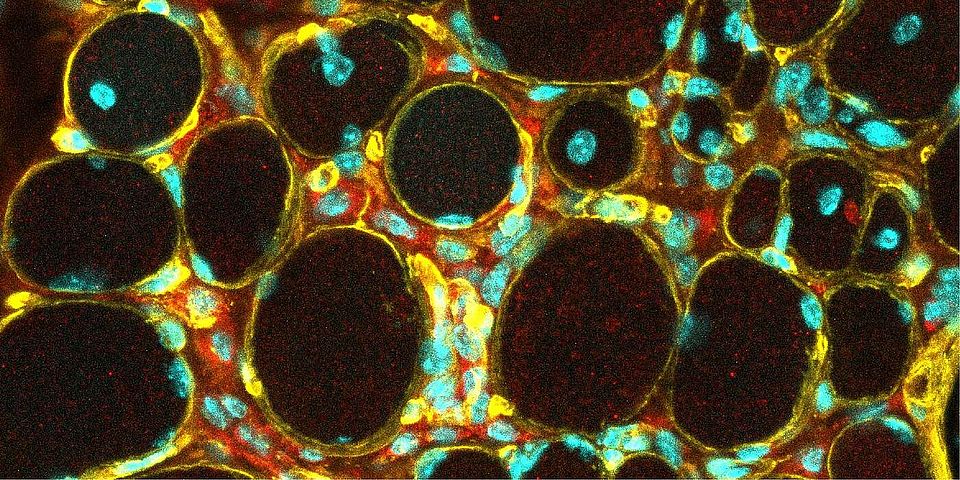
The team led by Prof. Markus Rüegg at the Biozentrum of the University of Basel has developed a gene therapy that could potentially treat a rare and currently fatal muscle disease in children. The study shows in animal models that a single treatment is sufficient to stabilize muscles and nerves and to halt disease progression. The challenge now is to bring this promising therapy into the clinic.
Roughly once a year in Switzerland, a family receives the devastating diagnosis that their child is affected by a severe form of muscle weakness. This hereditary disease, known as LAMA2-related muscular dystrophy, is very rare and remains untreatable today. The most severely affected children are often identified shortly after birth due to a lack of muscle tone. They typically never learn to walk, and as they grow, their muscles become progressively weaker and lose strength. Many of them die in childhood or adolescence because their respiratory muscles eventually fail.
More