
Why do we get sleepy? How neurons control sleep drive
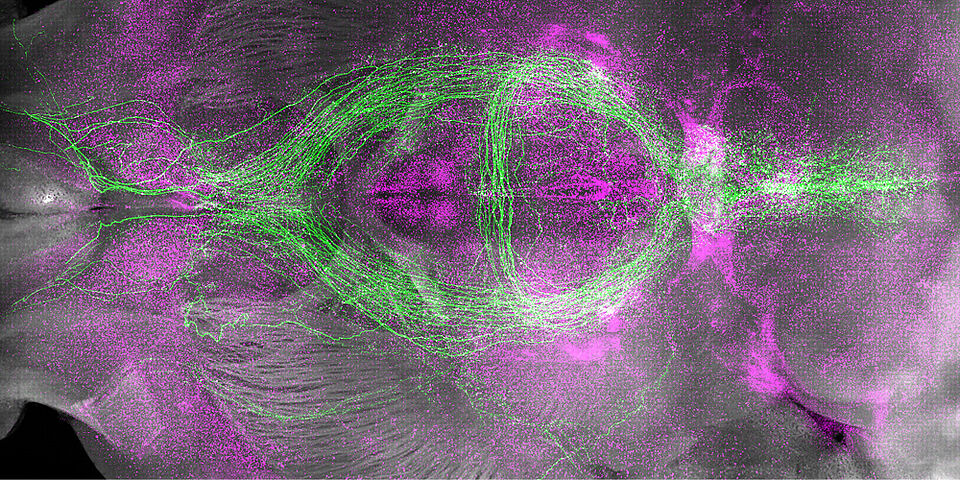
Why does staying awake inevitably make us sleepy? Researchers led by Prof. Alex Schier at the Biozentrum, University of Basel, have identified neuronal populations in the brain that become activated during prolonged wakefulness and are crucial for sleep drive. Their findings provide new insights on how the brain generates the need for sleep.
After a long day or a sleepless night, the urge to sleep becomes almost impossible to resist. This increasing sleep pressure, also known as sleep drive, ensures that prolonged wakefulness is followed by deeper and longer recovery sleep. Although sleep is essential for survival, scientists have long struggled to understand how the brain keeps track of time spent awake and translates it into the need for sleep.
Prof. Alex Schier’s team at the Biozentrum, University of Basel, in collaboration with researchers from Beth Israel Deaconess Medical Center and Auburn University, have now identified specific neurons that are crucial for this balanced relationship between sleep and wakefulness. "We have identified neuronal populations that monitor prolonged wakefulness and actively promote sleep," says Alex Schier. “This is an important missing piece of the puzzle in understanding why we become sleepy.”
More